Group Programs
Some things you can’t figure out alone.
That’s where a group changes everything.
You have a group of leaders or professionals who are in transition, facing the same question from different angles: what’s next? Maybe it’s a team adjusting to new leadership. Maybe it’s high-potential employees you want to develop. Maybe it’s a group of professionals who’ve been stuck for too long.
Individual coaching would help each of them. But there’s something that happens in a group that coaching alone can’t replicate: the spark of someone else’s insight becoming your breakthrough. The accountability of a cohort. The realization that you’re not the only one who feels this way.
Custom Group Programs
Every team’s challenge is different. A leadership team navigating a reorganization needs something different from a group of teachers preparing for a new school year, which needs something different from a department learning to work under new leadership.
I design group programs around what your people are actually facing — drawing from coaching, design thinking, storytelling, and experiential work. The format depends on the situation: it might be a single intensive session, a multi-week series, or an ongoing cohort. The group might be 6 people or 30. What stays constant is the approach — deep listening, powerful questions, and structured exercises that help people see their situation differently and find their way forward together.
What participants walk away with depends on what you need. It might be a shared understanding of team values. It might be a new way of approaching a problem they’ve been stuck on. It might be a level of trust and honesty that didn’t exist before they walked in the room.
Here’s how it works:
1. Tell me about your team. What’s the challenge? What would success look like? Who’s in the room?
2. I design a custom program. You’ll see a detailed proposal — format, structure, objectives, and cost. Nothing off the shelf.
3. Your group does the work together. And what they build — the insights, the plans, the relationships — lasts well beyond the program itself.
“I brought this non-linear, iterative process to my team at the iCan Dream Center to create an innovative solution to a need that was already defined. This resulted in an amazing plan for a student-led social enterprise. It's enhanced our ability to cater to the unique needs of neurodiverse learners and their families.”
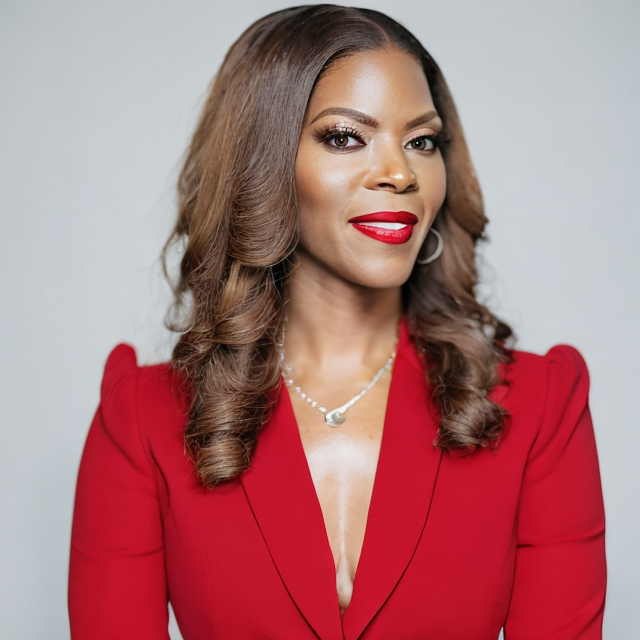
Dr. Evisha Ford, TEDx Speaker, Founder of iCan Dream Center, Workplace Culture Strategist
This program is ideal for:
• Open enrollment cohorts of professionals from different organizations and backgrounds
• Organizations navigating workforce transitions — downsizing, restructuring, or supporting employees through career change
• Schools and educational institutions investing in faculty and staff development
• Individuals ready to stop overthinking and start designing
Path to Purpose
An 8-week program for people designing what’s next.
Path to Purpose is for professionals who are at a crossroads — whether by choice or by circumstance. Built on Stanford’s Design Your Life methodology, it takes a small cohort through eight weeks of structured exploration, coaching, and collaborative exercises. Participants develop three Life Plans — three distinct, viable paths forward — and pressure-test them with a group of people invested in each other’s growth.
What’s included:
• Orientation session to launch the cohort
• 7 recorded modules with exercises between sessions
• 7 live group coaching sessions (75 minutes each, including small group work)
• 1 individual coaching session to hone your three Life Action Plans
• A completion celebration to reflect on progress and commit to action
• A cohort of 6–8 people who will challenge, support, and serve as resources for each other
What changes:
People stop saying “I don't know what I want” and start saying “I have three options and I’m excited about all of them.” The person who’s been overthinking for a year picks a direction and takes the first step. The group that started as strangers becomes a network of people who hold each other accountable long after the program ends.
Without it:
The overthinking continues. The Sunday night dread stays. Another quarter goes by where talented people stay stuck in roles that don’t fit, because nobody helped them see what else was possible.
“I can’t stop telling people all about it. I started this Design Thinking course knowing it would bring immense value to my work and life, but it exceeded my expectations.”